Guide · 3 min read
Can Massage Help Anxiety?
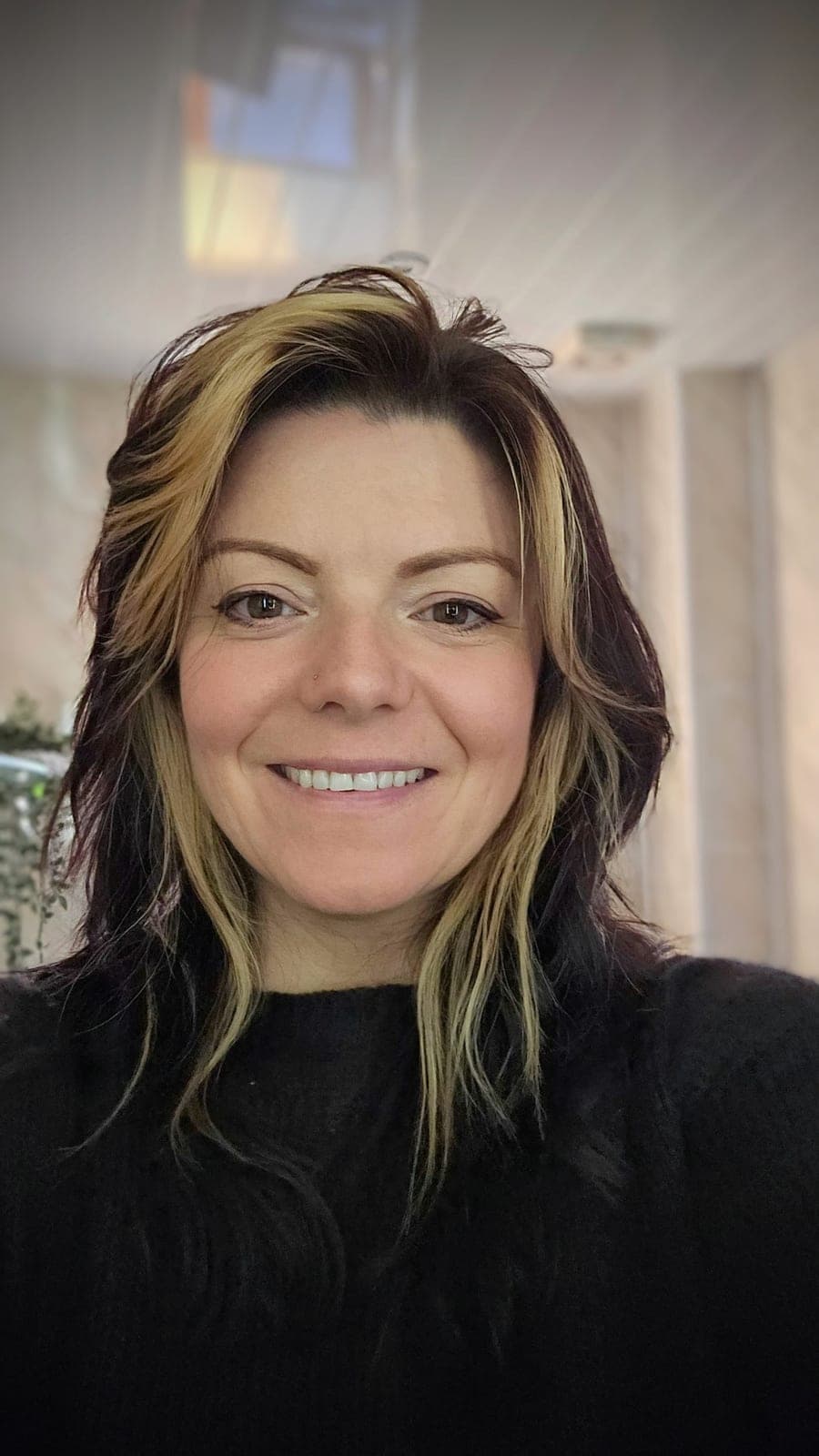
By Jodi, The Reset Room Glasgow
HND in Complementary Therapies · BSc in Integrative Health Care · Published · Reviewed September 2026
Massage may help some people feel calmer for a while by reducing physical tension and creating a predictable period of rest. Evidence for massage as a treatment for anxiety disorders is limited and conflicting, so it should not be described as a cure or replacement for mental-health care.
That distinction matters. A relaxing appointment can still be valuable without carrying a medical promise it cannot support.
How anxiety can feel in the body
Anxiety may come with tight muscles, a clenched jaw, restlessness, shallow breathing or difficulty settling. Massage works with the physical experience of tension; it does not remove the thoughts, circumstances or health condition behind it.
Some people find that when their shoulders drop and their breathing becomes less hurried, they feel more comfortable. Others remain mentally busy during a massage. Both responses are normal.
What research says
NCCIH notes that some studies have found reductions in anxiety after massage, particularly in people receiving care for another health condition, while other studies found no statistically significant benefit. There has been little research specifically on diagnosed anxiety disorders.
Massage is therefore best framed as a complementary relaxation option. Evidence-based care for persistent anxiety may include talking therapies, medication or other support agreed with a qualified healthcare professional.
Making massage feel more manageable
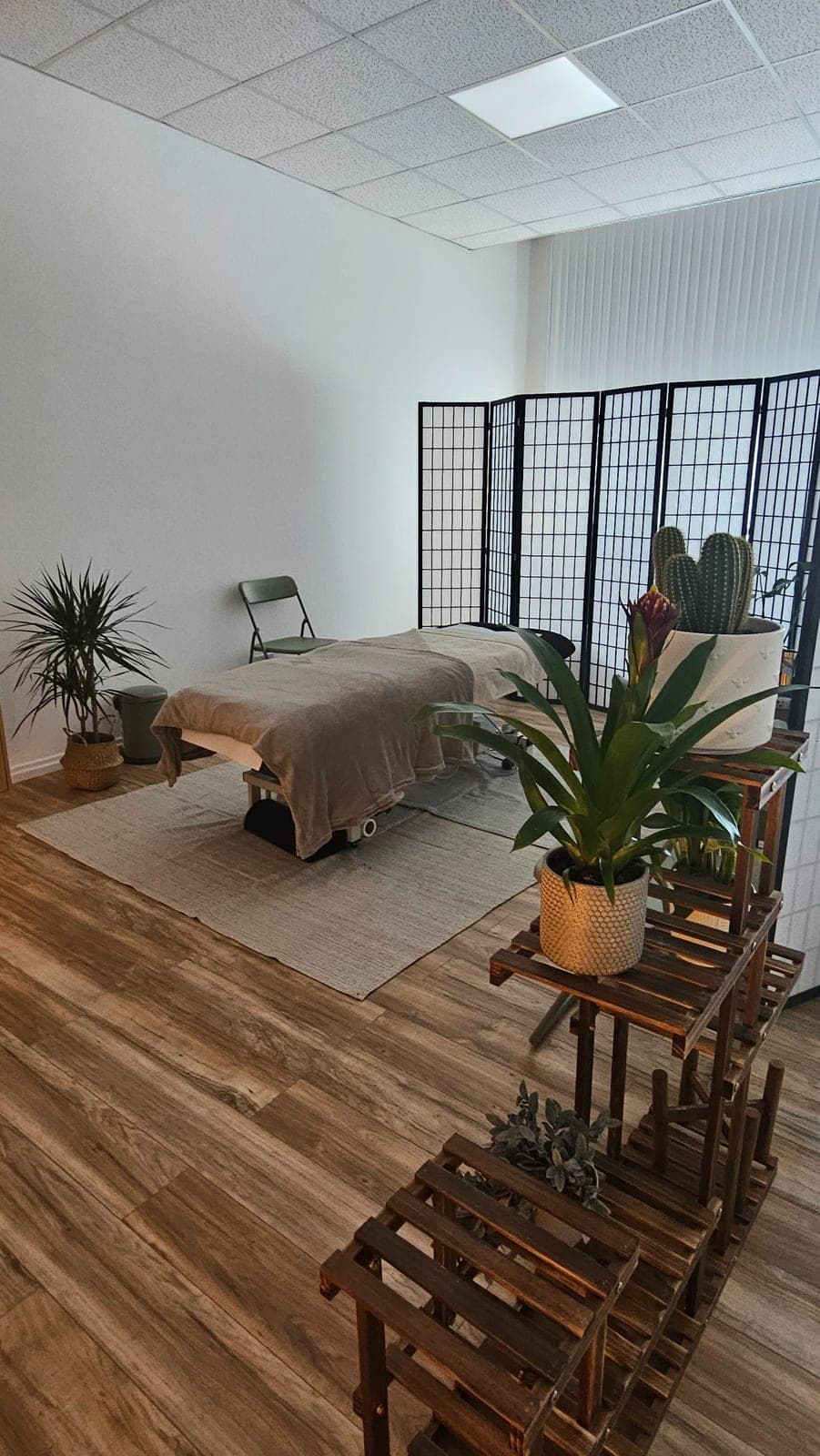
If anxiety makes a first appointment feel daunting, you can ask what will happen before treatment begins. You control clothing, positioning, pressure, conversation and whether an area is included. You can pause or end the massage at any time.
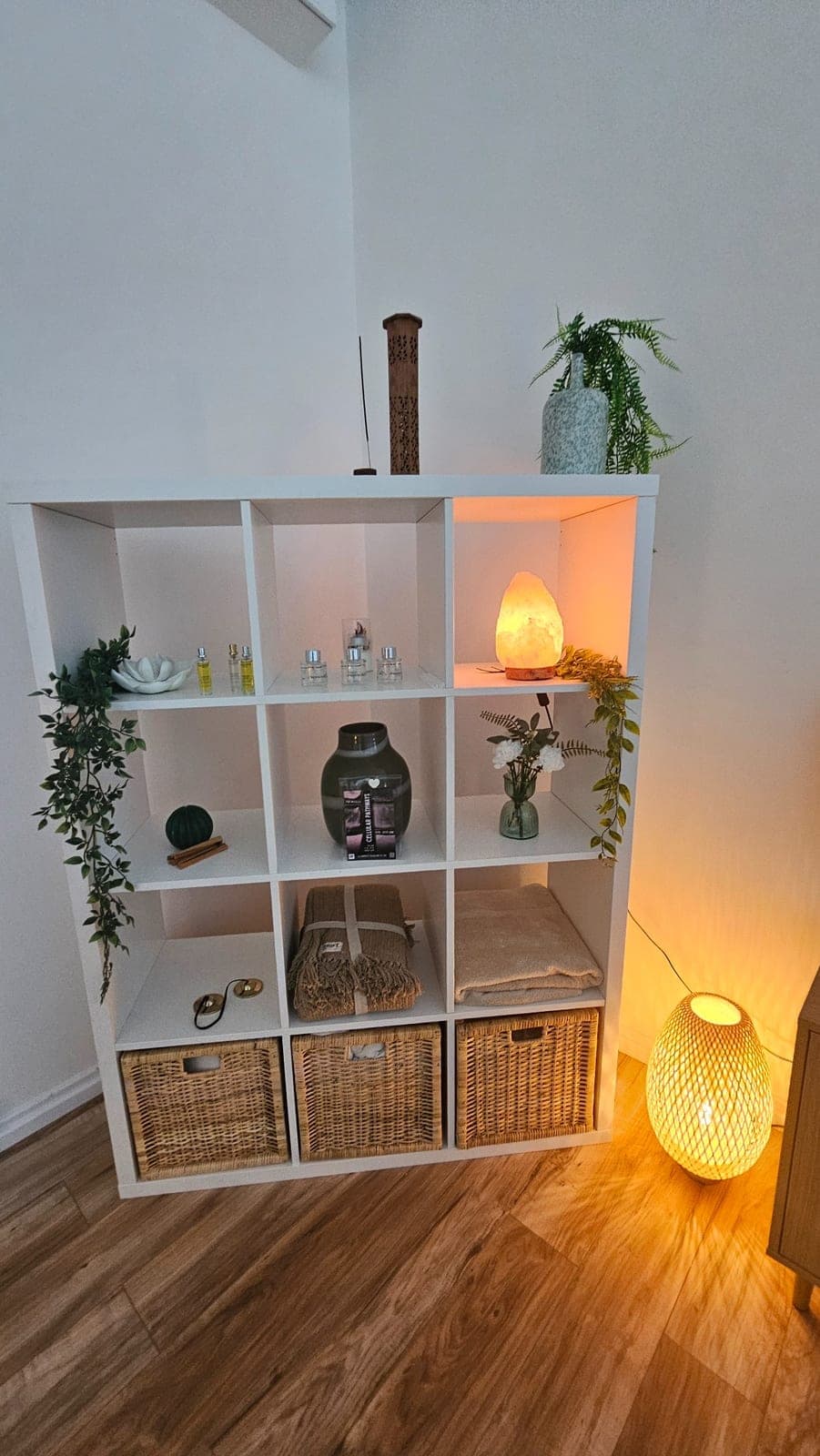
In my Glasgow treatment room, I explain the practical details and check preferences rather than expecting you to know massage etiquette. You do not have to make conversation or force yourself to relax quickly.
Which treatment may feel most comfortable
Swedish massage is often chosen for gentle, flowing work. Reiki or a sound bath may appeal if you prefer little or no touch. The best choice is the one that feels safe, predictable and suited to your preferences.
When to seek more support
Speak to your GP or another suitable professional if anxiety is persistent, worsening or affecting sleep, work, relationships or everyday tasks. Seek urgent help if you feel unable to keep yourself safe. Massage can sit alongside appropriate care, but it should never delay it.
This guide is general information from a massage and holistic therapist, not medical advice. If you have new, severe or worrying symptoms, speak to your GP, call NHS 111 or, in an emergency, call 999.
Good to know
Frequently asked questions
Can massage stop an anxiety attack?
Massage is not an emergency treatment for a panic or anxiety attack. Use the coping plan agreed with your healthcare professional and seek urgent help when needed.
What if I cannot switch off during the massage?
You do not have to. You can notice the treatment, adjust your position or speak at any time. Relaxation may be gradual, and there is no correct response.
Is deep pressure better for anxiety?
No. If firm pressure makes you brace or feel unsafe, a gentler treatment is likely to be more comfortable.
Can I book if I take anxiety medication?
Medication alone does not automatically prevent massage, but include relevant medicines and health conditions on your consultation form and ask your prescriber if you are unsure.
Sources
Written by Jodi
Jodi is the massage and holistic therapist behind The Reset Room Glasgow, with an HND in Complementary Therapies, a BSc in Integrative Health Care and more than ten years’ experience. Meet Jodi