Guide · 5 min read
How to Plan a Staff Wellbeing Day in Glasgow

By Jodi, The Reset Room Glasgow
HND in Complementary Therapies · BSc in Integrative Health Care · Published · Reviewed September 2026
A staff wellbeing day can be a useful way to create breathing space, thank a team or introduce people to forms of support they may not book for themselves. The strongest events are not built around the longest list of activities. They are built around a clear purpose, genuine choice and a timetable that respects the working day.
If you are planning a staff wellbeing day in Glasgow, this guide will help you move from a broad idea to an event that feels calm, inclusive and manageable.
Start with the reason for the day
Before choosing treatments, decide what you want the event to do. You may want to:
- Thank employees after a demanding period
- Add a restorative activity to a staff development day or away day
- Give desk-based or physically active staff an opportunity to pause
- Support a wellbeing week or workplace health initiative
- Offer an inclusive shared experience at a team event
The purpose determines the format. A team that needs flexible, private appointments may prefer workplace chair massage. A group that can pause together may enjoy a corporate sound bath. Some organisations combine both so employees have more than one way to take part.
Ask the team before you finalise the plan
People do not all relax in the same way. Some welcome hands-on treatment, while others prefer a non-touch activity or do not want to take part at all. A short anonymous poll can establish interest, preferred times and access needs without asking employees to disclose personal health information to colleagues.
In my Glasgow treatment room, people often arrive knowing how they feel but not which treatment they need. That experience shapes my workplace approach too: give people clear options, explain them in ordinary language and avoid making one activity carry the whole wellbeing programme.
Choose activities that fit the workplace
Workplace chair massage
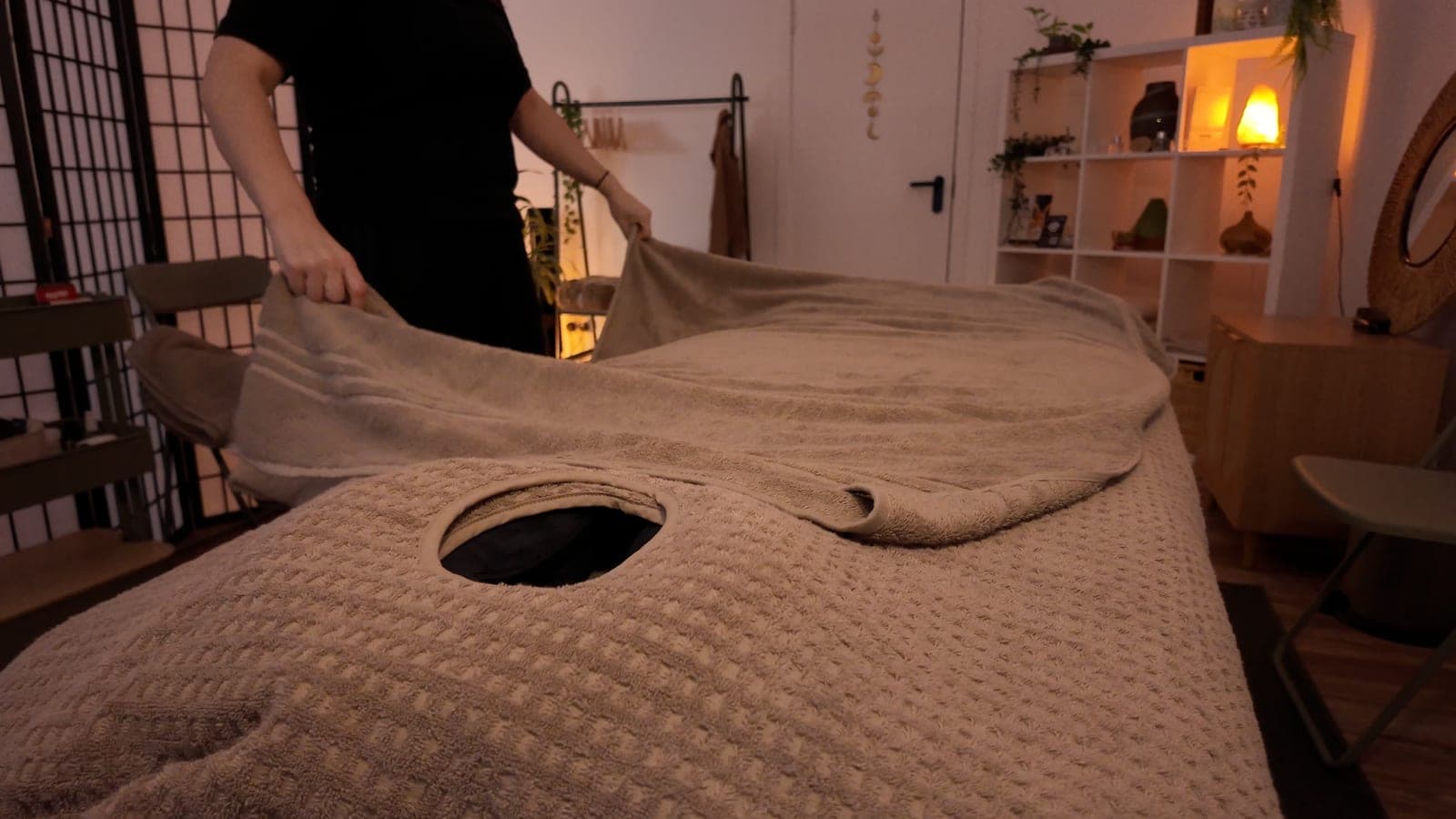
Short, fully clothed appointments can run throughout the day. This suits workplaces where people need to take turns, cannot all leave their role at once or would value individual treatment focused on the upper back, shoulders, neck, arms or hands.
Head, hand and arm treatments
A focused seated treatment can be useful where space or time is limited. The exact format should be agreed in advance, including whether oils are avoided and how privacy will be managed.
Corporate sound bath
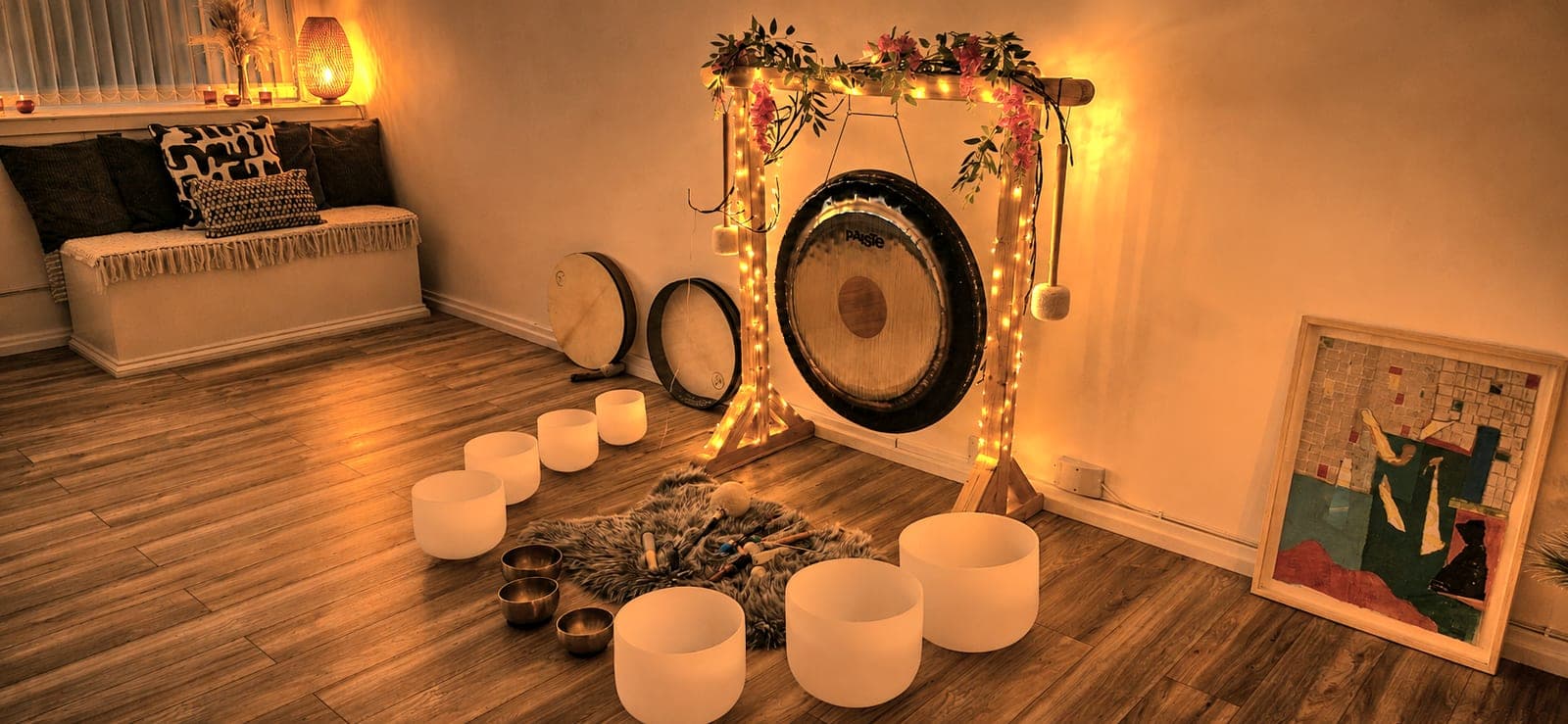
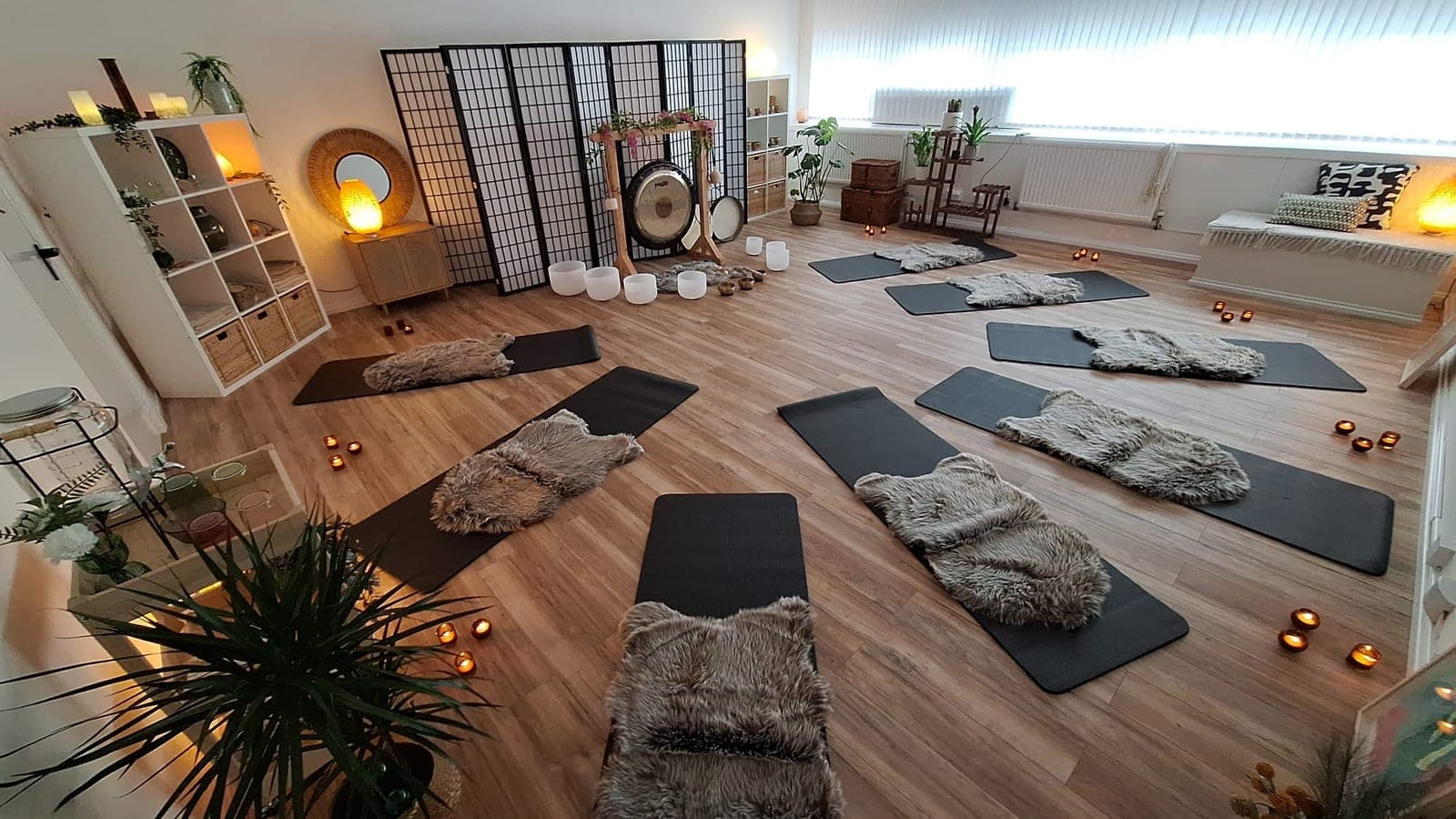
A sound bath creates a shared period of quiet using instruments such as singing bowls and gongs. Participants may sit or lie down depending on the room. It works best where the group can be protected from interruptions for the full session. See how sound bath sessions in Glasgow run at the studio.
A combined wellbeing day
A group session and a programme of individual appointments can offer variety. This needs a realistic timetable, suitable rooms and clear limits on numbers; more activity is not automatically a better experience.
Plan the space before the timetable
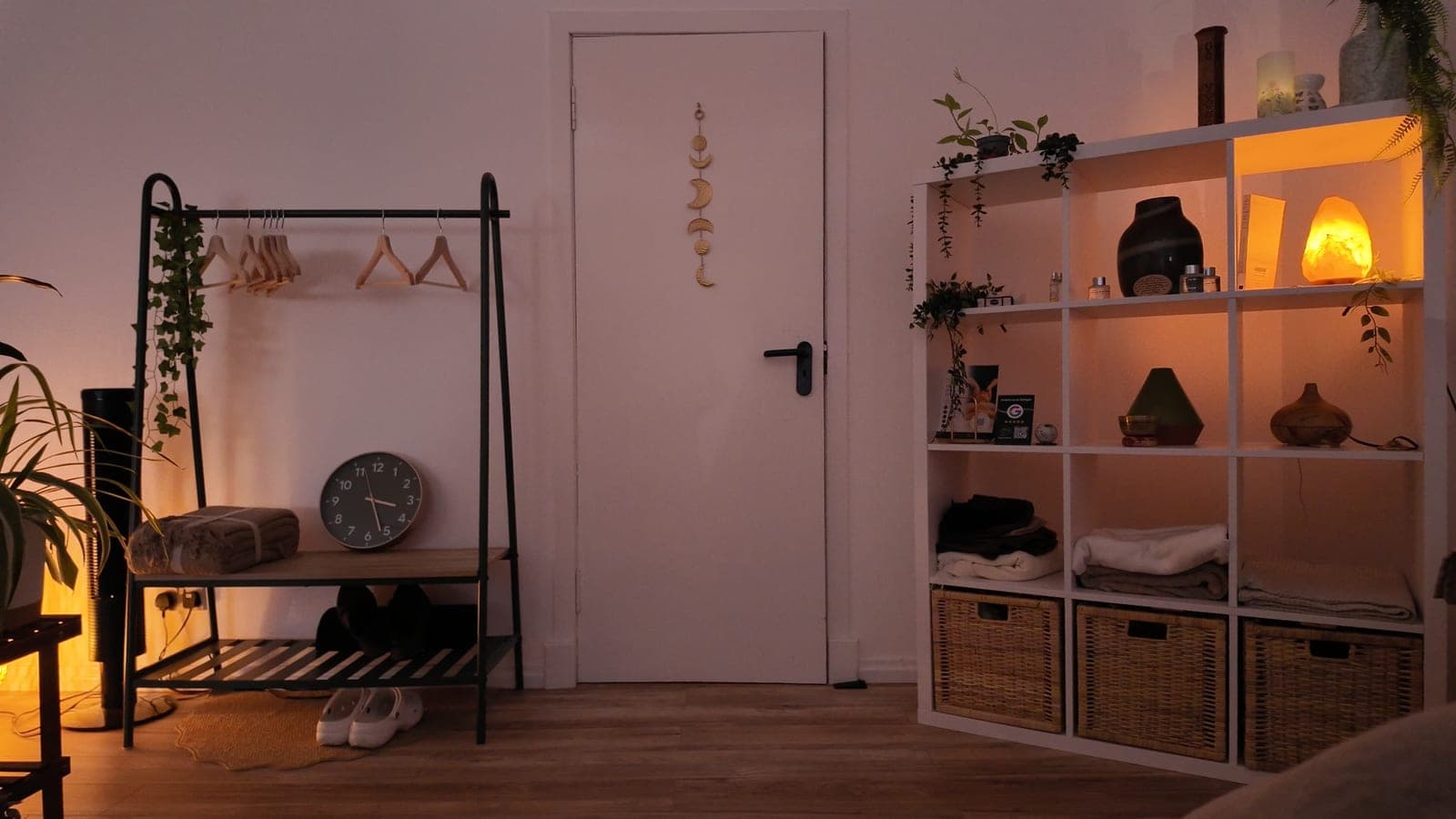
The room affects how the day feels. For massage, look for a clean, quiet and reasonably private space with room around the chair. For a sound bath, consider acoustics, floor space, seating, temperature, nearby noise and whether participants can enter and leave without disturbing the group.
Check practical access as well: parking or loading, stairs and lifts, room location, reception procedures, setup time and who will meet the practitioner. These details are easy to solve when discussed early and frustrating when discovered on arrival.
Build a timetable people can actually use
For individual treatments, staggered appointments usually work better than a queue. Add small changeover gaps and decide how missed slots will be handled. For shift-based teams, consider more than one block so the same people are not always excluded by operational demands.
For a group sound bath, protect the start and finish time. A rushed arrival followed by an abrupt return to a meeting undermines the purpose. A short settling period and a calm few minutes at the end are worth including.
Communicate clearly and keep participation optional
Before the day, tell staff what the activity involves, what to wear, how long it lasts, whether touch is involved, what equipment is provided and how to ask a private suitability question. Avoid language suggesting that everyone will feel the same result.
Choice is an important trust signal. Employees should be free to participate, choose another activity or decline without having to explain why.
Remember what a wellbeing day cannot replace
Wellbeing activities can create a valued pause, but they cannot correct excessive workload, poor role clarity, bullying or a lack of support. The Health and Safety Executive says employers have a legal duty to assess and act on risks from work-related stress. A massage or sound bath should complement that work, not be presented as the solution to it.
The scale of the issue is real. HSE estimates for 2024/25 attributed 22.1 million lost working days to work-related stress, depression or anxiety and 7.1 million to musculoskeletal disorders. Those figures explain why staff wellbeing deserves attention; they do not prove that one event will reduce absence or increase productivity.
Review the day without over-measuring it
Useful feedback can be simple: Was the information clear? Was booking easy? Did the activity feel comfortable and worthwhile? Would staff choose it again? Look at participation and comments, but do not ask a single wellbeing day to demonstrate clinical or financial outcomes it was never designed to deliver.
This guide is general information from a massage and holistic therapist, not medical advice. If you have new, severe or worrying symptoms, speak to your GP, call NHS 111 or, in an emergency, call 999.
Good to know
Frequently asked questions
What are good activities for a workplace wellbeing day?
Choose activities that match the team, space and time available. Workplace chair massage suits rotating individual slots, while a corporate sound bath suits a group that can pause together. A combined day can work when the venue and schedule support it.
Can a wellbeing day include remote or hybrid staff?
The on-site activities described here are in person, but the wider day can include separate options for remote staff. Avoid offering the most valued benefit only to people who happen to be in the office unless that is unavoidable and explained.
How far in advance should we book?
Allow enough time to confirm the room, approximate numbers, access and internal communication. Larger teams, specific dates and multi-activity events generally need more planning, so early contact is helpful.
Can sessions be delivered outside Glasgow?
Yes. I travel across Glasgow, Greater Glasgow and Central Scotland, and can travel farther afield by arrangement. Travel, access and time on site are considered in the quote.
Sources
Written by Jodi
Jodi is the massage and holistic therapist behind The Reset Room Glasgow, with an HND in Complementary Therapies, a BSc in Integrative Health Care and more than ten years’ experience. Meet Jodi