Guide · 3 min read
What Is the Best Massage for Lower Back Pain?

By Jodi, The Reset Room Glasgow
HND in Complementary Therapies · BSc in Integrative Health Care · Published · Reviewed September 2026
There is no single best massage for every case of lower back pain. If the discomfort feels like a local area of muscular tightness, focused massage may suit you. If stress, fatigue and general tension are more prominent, a gentler full-body treatment may be the better fit.
The cause matters more than the label. New, severe or nerve-related symptoms need assessment rather than a stronger massage.
Deep tissue massage for focused tightness
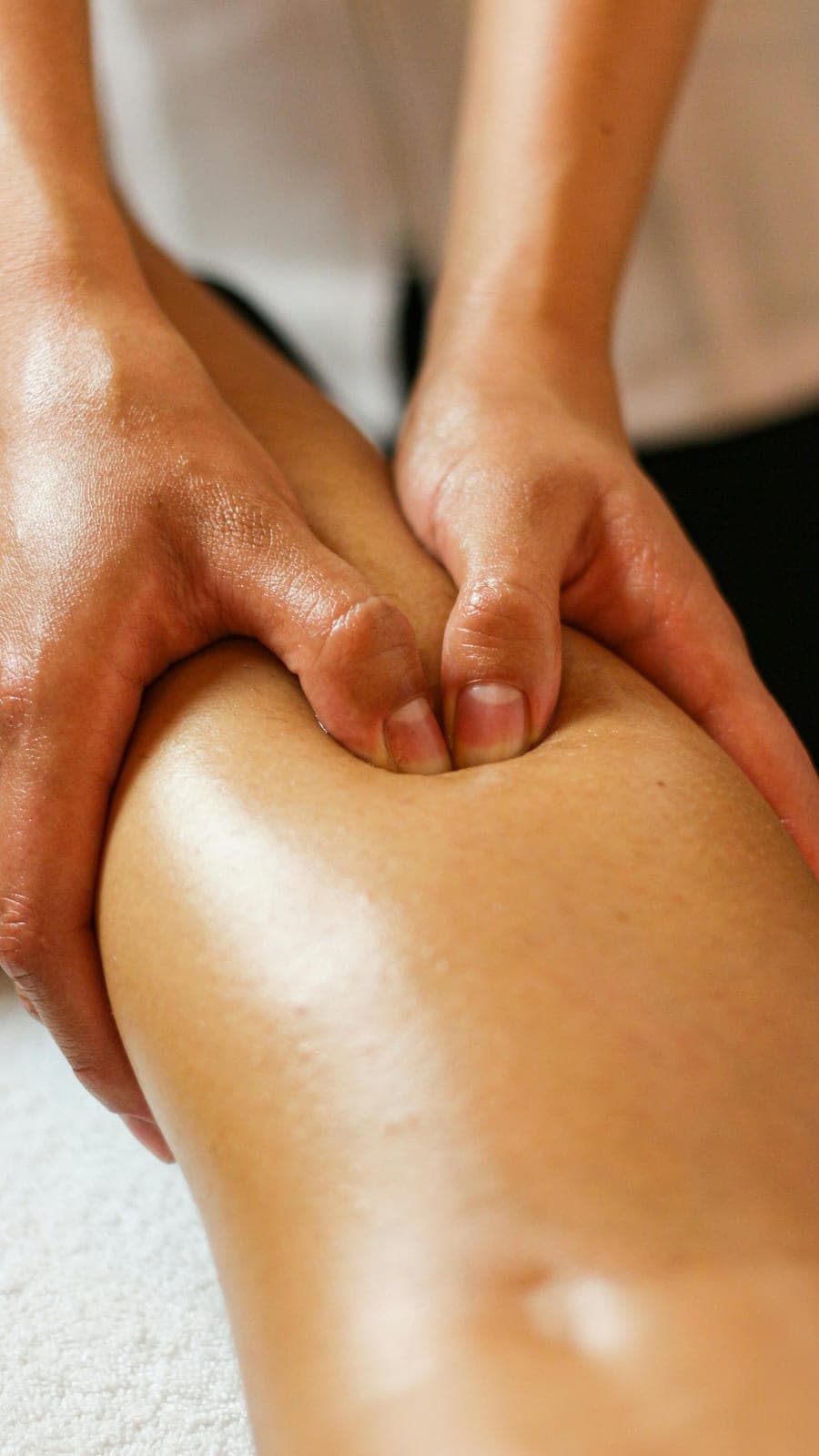
Deep tissue massage uses slower, more targeted techniques. It may suit you when the lower back or surrounding muscles feel persistently tight and you prefer focused work.
This does not mean the therapist should press directly into pain or use the maximum pressure possible. The treatment should build gradually and respond to your feedback.
Swedish massage for wider tension
Swedish massage uses flowing strokes and is often chosen for general relaxation. It may suit you when lower back discomfort sits alongside tight shoulders, poor sleep, stress or the feeling that your whole body is braced.
A calmer treatment can still include useful work around the back. Choosing Swedish massage does not mean ignoring the problem area.
Why a tailored approach matters
The lower back does not work in isolation. Depending on your comfort and consent, a therapist may also consider the muscles around the hips, glutes and upper back. That does not mean claiming to correct your posture or realign your body; it means treating the pattern of muscular tension you describe.
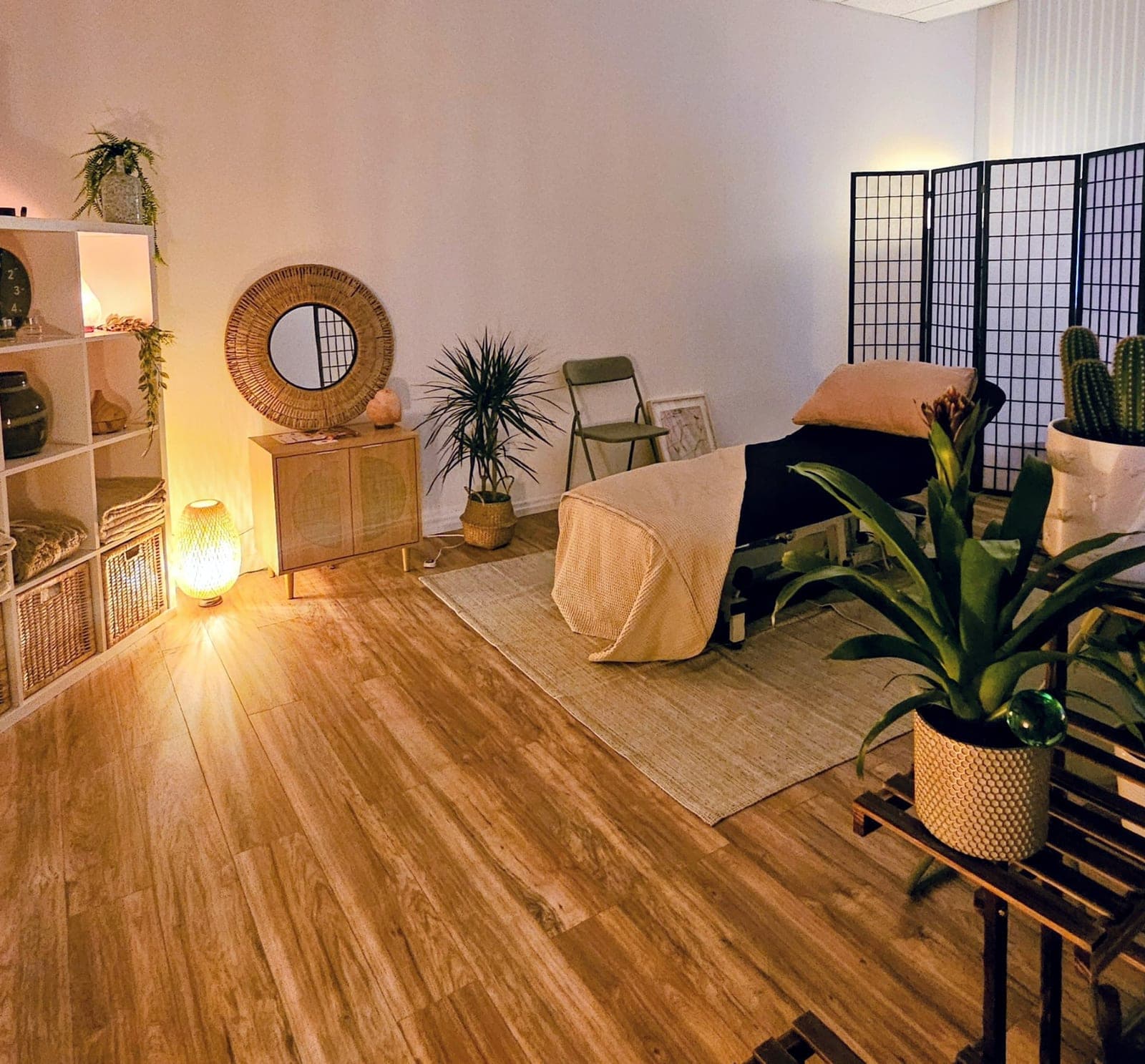
In my treatment room, I begin with what you want to feel different after the session. That usually leads to a better decision than choosing the strongest treatment from a menu.
What research can and cannot tell us
Research suggests that massage may provide short-term improvement for some people with low-back pain, but the quality of evidence is limited. Reviews have not shown that one massage style is consistently superior.
For back pain that lasts, activity, exercise and physiotherapy often matter. Massage can sit alongside those approaches if it makes movement or rest more comfortable.
Symptoms that need medical attention
Seek urgent help for lower back pain with bladder or bowel changes, numbness around the genitals or anus, symptoms in both legs, chest pain or pain following a serious accident. Ask for advice if pain is worsening, affecting daily life or not improving after a few weeks.
Pain that travels down one leg with tingling, numbness or weakness may be sciatica. Massage may address accompanying muscle tension, but it does not remove nerve compression.
This guide is general information from a massage and holistic therapist, not medical advice. If you have new, severe or worrying symptoms, speak to your GP, call NHS 111 or, in an emergency, call 999.
Good to know
Frequently asked questions
Is deep tissue massage best for lower back pain?
It can suit focused muscular tightness, but it is not best for everyone. A gentler approach may be more appropriate if you are sensitive, stressed or experiencing widespread tension.
Can a massage fix a slipped disc?
No. Massage works with soft tissue and cannot correct a disc problem. Seek assessment for suspected disc or nerve symptoms.
Should massage for back pain be painful?
No. Some pressure may feel strong, but sharp, burning or electric pain is not a target and should be reported immediately.
How many sessions will I need?
There is no fixed number. Response varies, and persistent symptoms may need a broader plan involving a GP, physiotherapist or other suitable clinician.
Sources
Written by Jodi
Jodi is the massage and holistic therapist behind The Reset Room Glasgow, with an HND in Complementary Therapies, a BSc in Integrative Health Care and more than ten years’ experience. Meet Jodi