Guide · 3 min read
Does Massage Help Back Pain?

By Jodi, The Reset Room Glasgow
HND in Complementary Therapies · BSc in Integrative Health Care · Published · Reviewed September 2026
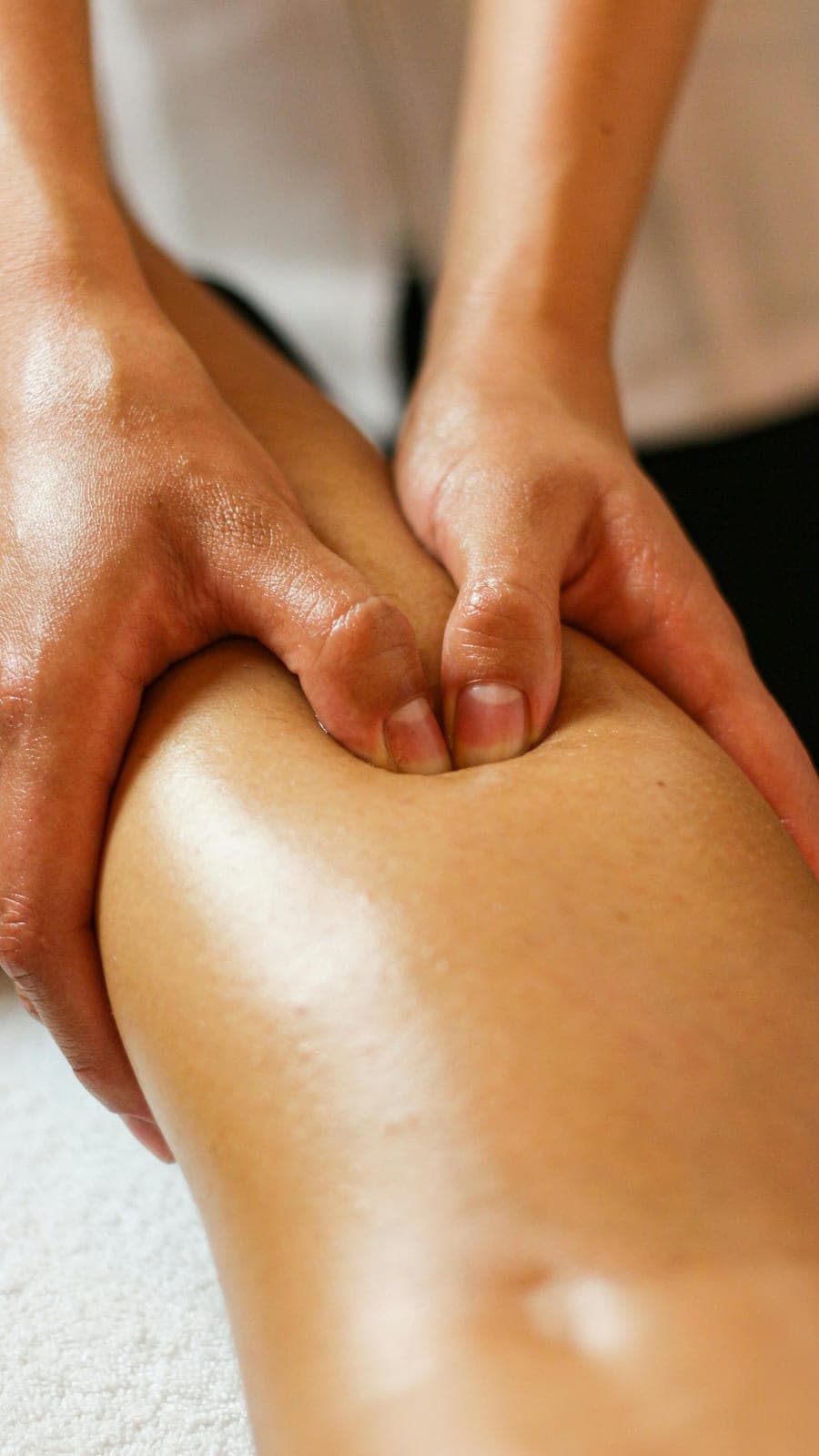
Massage may help some people with back pain, particularly when muscular tightness, stress or stiffness are part of the picture. The strongest honest claim is short-term symptom relief for some people. Massage cannot diagnose the cause of back pain and should not be presented as a cure.
Back pain has many possible causes, so the right next step depends on your symptoms. This guide separates the situations in which massage may be reasonable from the warning signs that need medical attention.
What the evidence says
The US National Center for Complementary and Integrative Health reports that studies of massage for low-back pain have found weak evidence of benefit. Some reviews found short-term improvements, but study quality was low and there was not enough evidence to show that one type of massage was best.
NHS guidance includes manual therapy among options that may be recommended for back pain, while also emphasising staying active, exercise and physiotherapy. For persistent pain, massage usually makes more sense as one part of a wider plan rather than the whole plan.
When massage may be useful
Massage may be worth considering when your back feels muscular and you notice tightness after sitting, driving, lifting or a stressful period. You might also find it useful if warmth, gentle movement or pressure tends to make the area feel easier.
A session may help you feel less guarded, more relaxed or more comfortable moving for a while. Those are meaningful outcomes, but they are different from fixing a disc, joint or nerve problem.
Choosing a massage for back pain
A deep tissue massage may suit a specific area of muscular tightness. A Swedish massage may be more comfortable when your whole body feels tense or when stress is amplifying how you feel.
The treatment should still be based on a consultation. The strongest-sounding option is not always the best option, and pressure should never be used to chase pain.
When massage is not the first step
Ask for medical advice if pain is severe, worsening quickly, stopping normal activity or failing to improve after a few weeks. NHS guidance says to call 999 or attend A&E for back pain with loss of feeling around the genitals or anus, bladder or bowel changes, symptoms in both legs, chest pain or pain after a serious accident.
If you have pain travelling down a leg with tingling, numbness or weakness, read the separate guide to sciatica and consider an NHS musculoskeletal or physiotherapy assessment.
What to expect from a sensible session
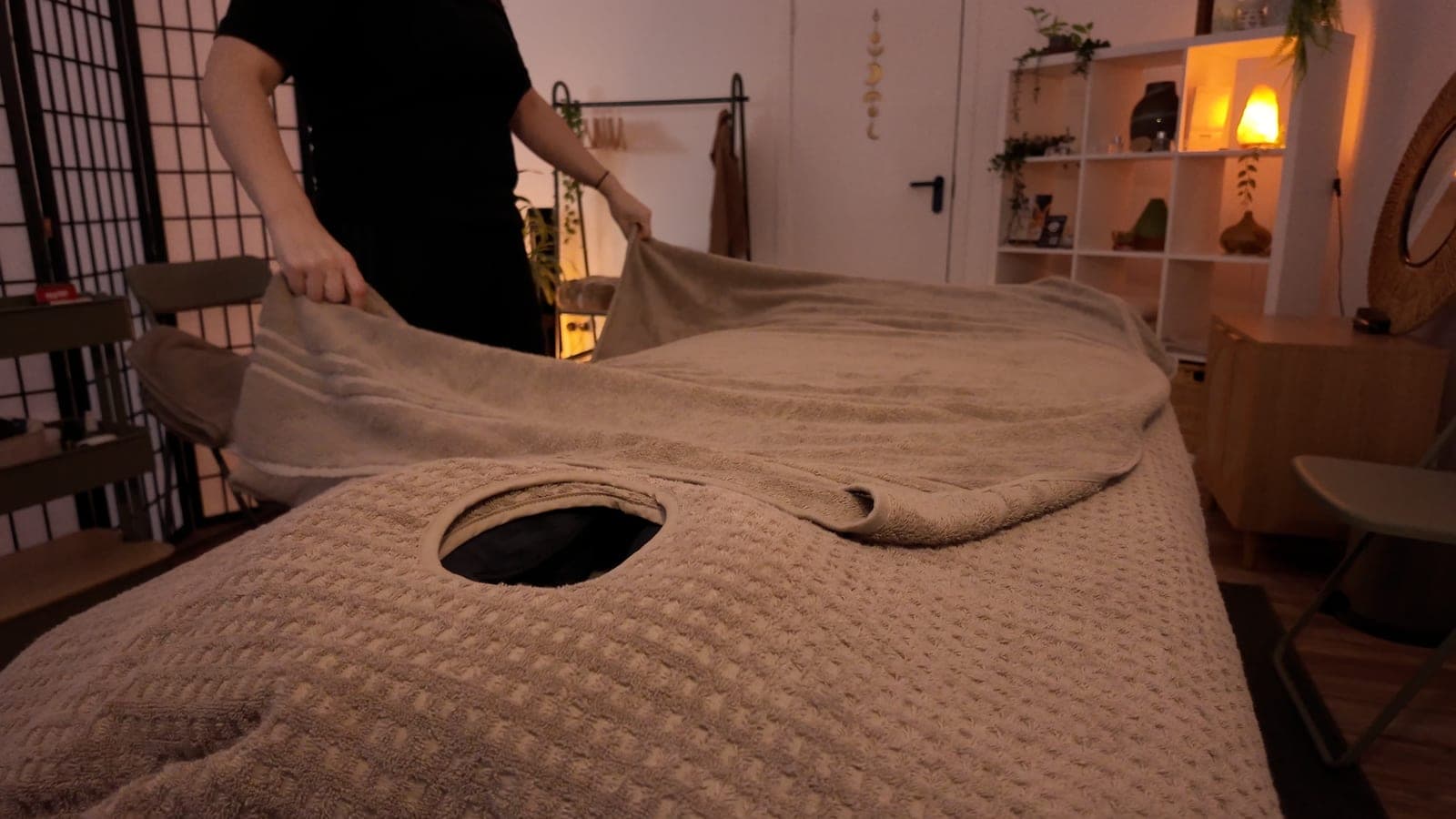
Before treatment, I ask where you feel the discomfort, what affects it and whether you have any symptoms that make massage inappropriate. During the session, pressure can be adjusted and work may include the back, hips, glutes or shoulders depending on the pattern of tension and your consent.
The goal is to make the treatment useful and comfortable. You should not be promised that pain will disappear, and you should not be told that soreness is proof of a successful massage.
This guide is general information from a massage and holistic therapist, not medical advice. If you have new, severe or worrying symptoms, speak to your GP, call NHS 111 or, in an emergency, call 999.
Good to know
Frequently asked questions
Can massage cure back pain?
No. It may provide short-term relief for some people, but back pain can have many causes and sometimes needs medical or physiotherapy assessment.
Is deep tissue massage always best for back pain?
No. Evidence does not establish one massage style as best. The right pressure and approach depend on your symptoms, sensitivity and goal.
Should I rest after a massage?
Follow how you feel, but NHS advice for ordinary back pain generally encourages staying active rather than prolonged bed rest.
When should I avoid booking?
Delay massage and seek advice for severe or rapidly worsening pain, significant injury, fever, unexplained weight loss, new neurological symptoms or bladder and bowel changes.
Sources
Written by Jodi
Jodi is the massage and holistic therapist behind The Reset Room Glasgow, with an HND in Complementary Therapies, a BSc in Integrative Health Care and more than ten years’ experience. Meet Jodi