Guide · 3 min read
What Is Deep Tissue Massage and What Does It Feel Like?

By Jodi, The Reset Room Glasgow
HND in Complementary Therapies · BSc in Integrative Health Care · Published · Reviewed September 2026
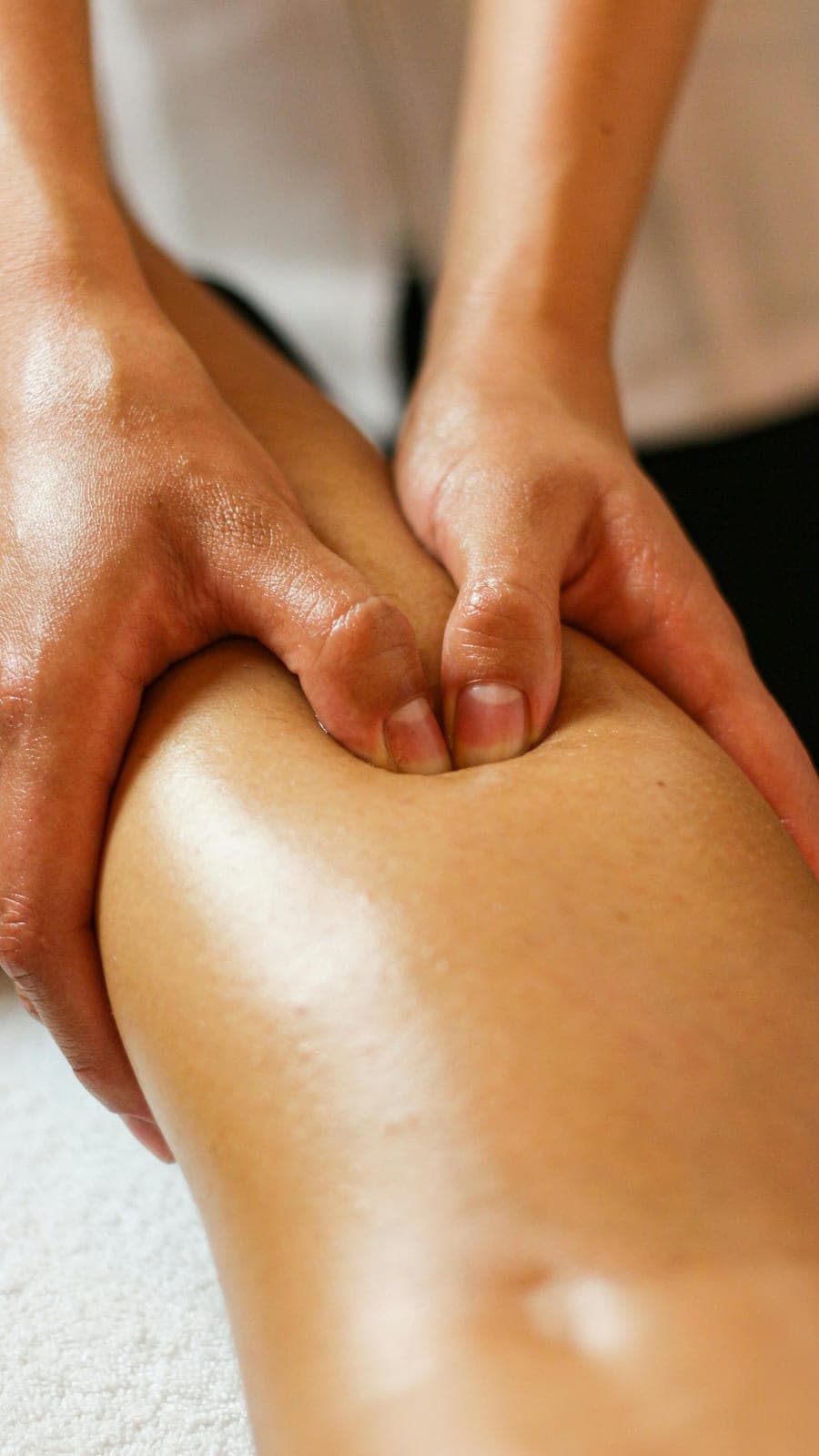
Deep tissue massage is a focused style of massage used for areas that feel persistently tight, sore or restricted. Despite the name, it is not a test of how much pressure you can tolerate. A well-delivered treatment uses slower, deliberate techniques and adjusts the pressure to your comfort.
If you are deciding whether to book deep tissue massage in Glasgow, this guide explains what happens, who may find it useful and when a gentler treatment could be the better choice.
How deep tissue massage differs from firm pressure
Deep tissue describes the intention and pace of the work, not simply the force behind it. The therapist may spend longer on a particular area, work through layers of soft tissue gradually and ask for feedback as the area responds.
Firm pressure can be part of the treatment, but more pressure is not automatically more effective. If your body braces or you hold your breath, the technique or pressure should be adjusted.
What deep tissue massage feels like
You may notice broad pressure, slow strokes or more specific work around a tight area. Some sensations can feel intense, especially where you are already tender, but they should remain manageable. Sharp, burning or electric pain is a reason to speak up straight away.
You are never expected to endure a treatment in silence. I check pressure and adapt the session as we go. That conversation is part of good massage, not an interruption to it.
Why people choose it
People often choose deep tissue massage when they have:
- A tight upper back, neck or shoulders after desk work or driving
- Muscular lower back discomfort or a feeling of stiffness
- A particular area that needs more attention than a general full-body massage
- A preference for slower, targeted work rather than continuous light strokes
Research on massage for pain is mixed and often points to short-term relief rather than a cure. Massage cannot diagnose or correct an underlying medical condition, but some people find that reducing muscular tension makes movement and day-to-day comfort easier.
Deep tissue massage and Swedish massage
Swedish massage usually places more emphasis on flowing movement and whole-body relaxation. Deep tissue massage is commonly more focused. Neither is better in every situation.
If your main aim is to switch off and you feel sensitive or exhausted, Swedish massage may suit you better. If you can point to an area of muscular tightness and want targeted work, deep tissue may be a useful option. I can also blend approaches within one session where appropriate.
When to seek advice before booking
Speak to a healthcare professional before massage if you have unexplained or worsening pain, a recent significant injury, suspected blood clot, fever, active infection, a bleeding disorder or another condition that may make firm pressure unsuitable. Massage should not delay medical assessment.
The overall risk of harm from massage appears low, but rare serious complications have been reported, particularly with vigorous techniques or in people at higher risk. A clear consultation and sensible pressure matter.
What I look at before choosing pressure
After more than ten years in massage and complementary therapies, I do not choose pressure from the treatment name alone. I ask what feels uncomfortable, how long it has been present, what you want from the appointment and how your body responds on the day. That gives us a safer and more useful starting point.
This guide is general information from a massage and holistic therapist, not medical advice. If you have new, severe or worrying symptoms, speak to your GP, call NHS 111 or, in an emergency, call 999.
Good to know
Frequently asked questions
Does deep tissue massage have to hurt?
No. It can feel strong in a tight area, but it should remain manageable. More pain does not prove that the treatment is working.
Can I ask for less pressure?
Yes, at any point. Pressure should be adjusted in response to your feedback and how the tissue responds.
Will one session remove long term tension?
Some people feel a short-term improvement after one session, but no therapist can promise to remove persistent pain or tension in a single visit.
Is deep tissue massage suitable for a first massage?
It can be, provided the session begins with a consultation and the pressure is introduced gradually. A Swedish massage may suit you better if relaxation is your main aim.
Written by Jodi
Jodi is the massage and holistic therapist behind The Reset Room Glasgow, with an HND in Complementary Therapies, a BSc in Integrative Health Care and more than ten years’ experience. Meet Jodi